In recent years, a new need has emerged that has been brought to the attention above all by Gen Z and Millennials but which has also reached a wider and more aware public of the problems and rights that concern the individual. This is a greater sensitivity towards issues related to gender identity, sexual orientation , skill , gender equality and all those minorities cut off from the scene because they do not conform to a standard representation.
It is not the first time that marketing has evolved to amplify the echo of a need: we thus speak of inclusive marketing when particular attention is paid to a slice of the public in order to devise services and campaigns that best represent it.
Investing in diversity is a great opportunity for brands to show themselves really attentive and listening to their users as well as to the needs of a changing society.The power of the brand in this sense becomes important: it becomes a sounding board for the needs of a minority.
Relationship between brand and user, a resource to be preserved
Users do not buy products but values in which they recognize themselves and have greater consideration than the brands that support causes that they themselves have at heart. In the United States, there has been talk of inclusive marketing for a while: this is supported by studies from the last two years that have recorded the positive reactions of consumers and their purchase intentions.
In 2019, a study from Google and Ipsos reported interesting data that:
- 69% of black American consumers between the ages of 13 and 54 are more inclined to purchase products from a brand that carries out inclusive campaigns that include previously excluded communities,
- 71% of consumers from the LGBTQ + community between the ages of 13 and 54 are more inclined to interact with ads that authentically represent their sexual orientation.
And again, a 2019 Adobe study highlighted how:
- 61% of Americans find it important to see inclusive ads,
- 38% of consumers are more incentivized to trust brands that show diversity in their ads.
Diversity tells us about it , a non-profit organization committed to spreading the values of diversity and inclusion with the aim of transforming them into a resource for companies and people. Since 2017, it has released an annual report, the Diversity brand Index , which records consumers’ considerations regarding the social commitment shown by the brands they buy on a daily basis. From the 2020 survey it emerges that 88% of Italians choose inclusive brands with conviction , while in 2017, only 52% had declared themselves interested in this aspect.
BODY POSITIVITY
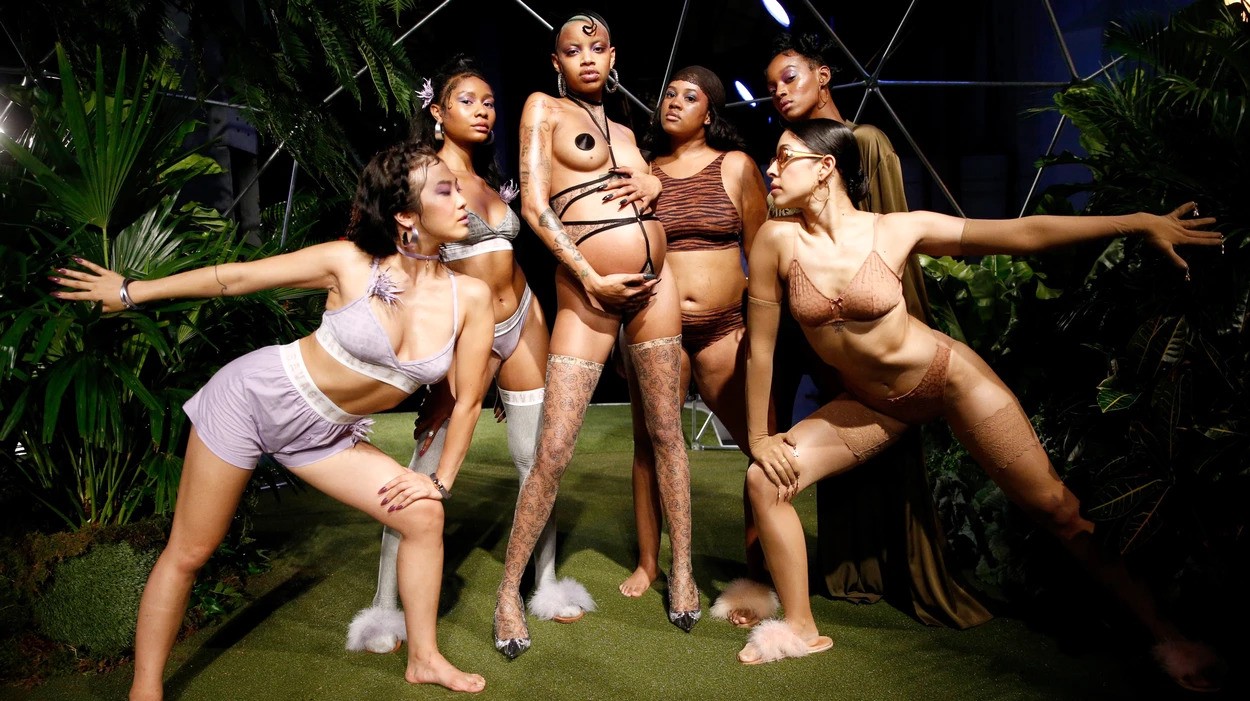 Savage x Fenty , Rihanna’s lingerie brand, is known to be one of the most inclusive brands of the last few decades. In fact, it produces articles for every body type and is oriented to fully represent the consumer. To promote the latest collection, a show has been created in partnership with Amazon Prime: Savage x Fenty Show – Amazon Prime . In the trailer of the event broadcast on the on demand platform, we see models of all kinds parading. This is a particularly valuable body positivity campaign : Rihanna chooses to include transgender people and people with physical disabilities among them.
LGBTQ + COMMUNITY
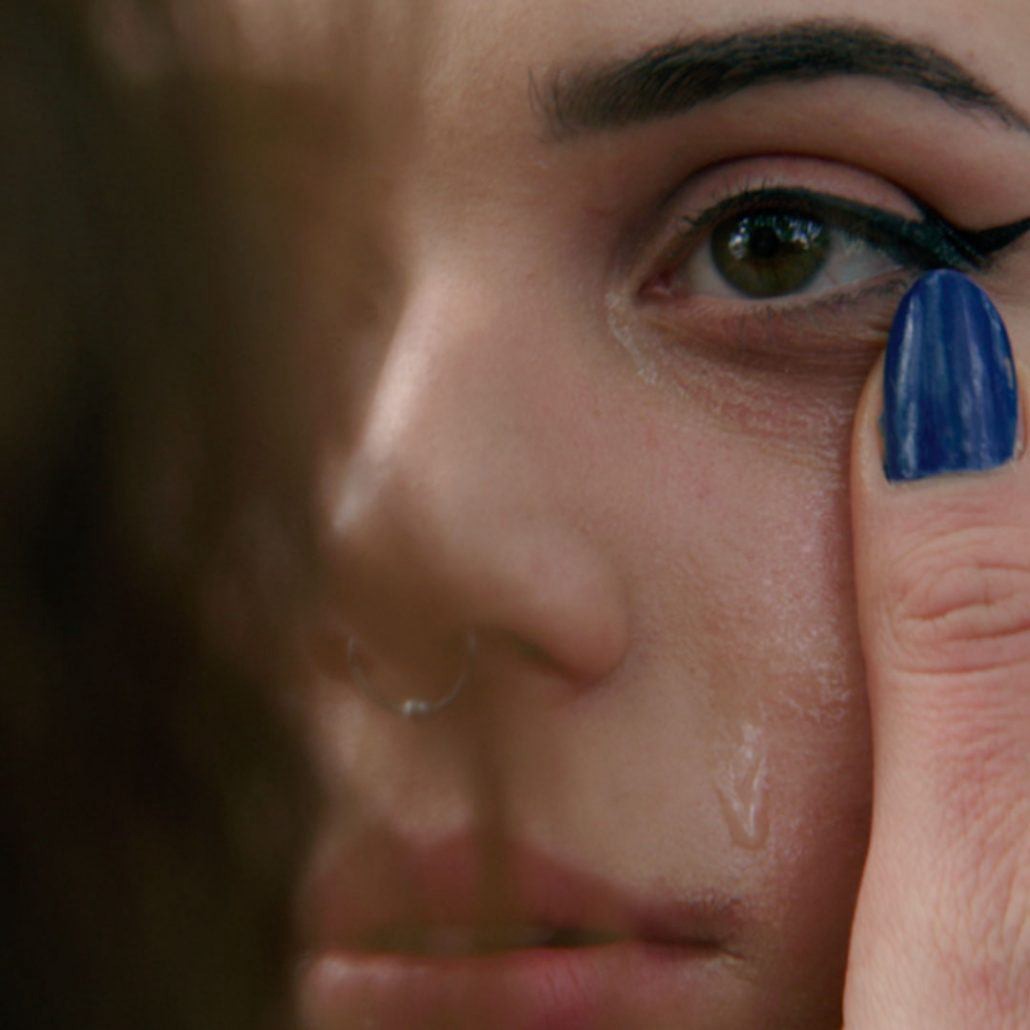
On the occasion of the International Day against Homophobia, Biphobia and Transphobia, IKEA has created an awareness campaign called #fateloacasavostra . The initiative was intended to celebrate all those who are discriminated against for their sexual orientation and to support them by supporting Quore , a co-housing association for homeless queer people. IKEA has further sided in favor of the cause by creating a limited edition rainbow version of Frakta, the historic blue plastic shopper.
ANTI SKILLS
Ellie Goldstein, Gucci beauty
The model Ellie Goldstein becomes the face of Gucci Beauty breaking every convention of the fashion world. It had never happened before that a model with Down syndrome was the protagonist of the campaign of a high fashion brand. This kind of initiatives are anti-enabling and contribute to the demolition of discriminatory stereotypes that see disability as a limitation and an abnormal condition.
GENDER EQUALITY
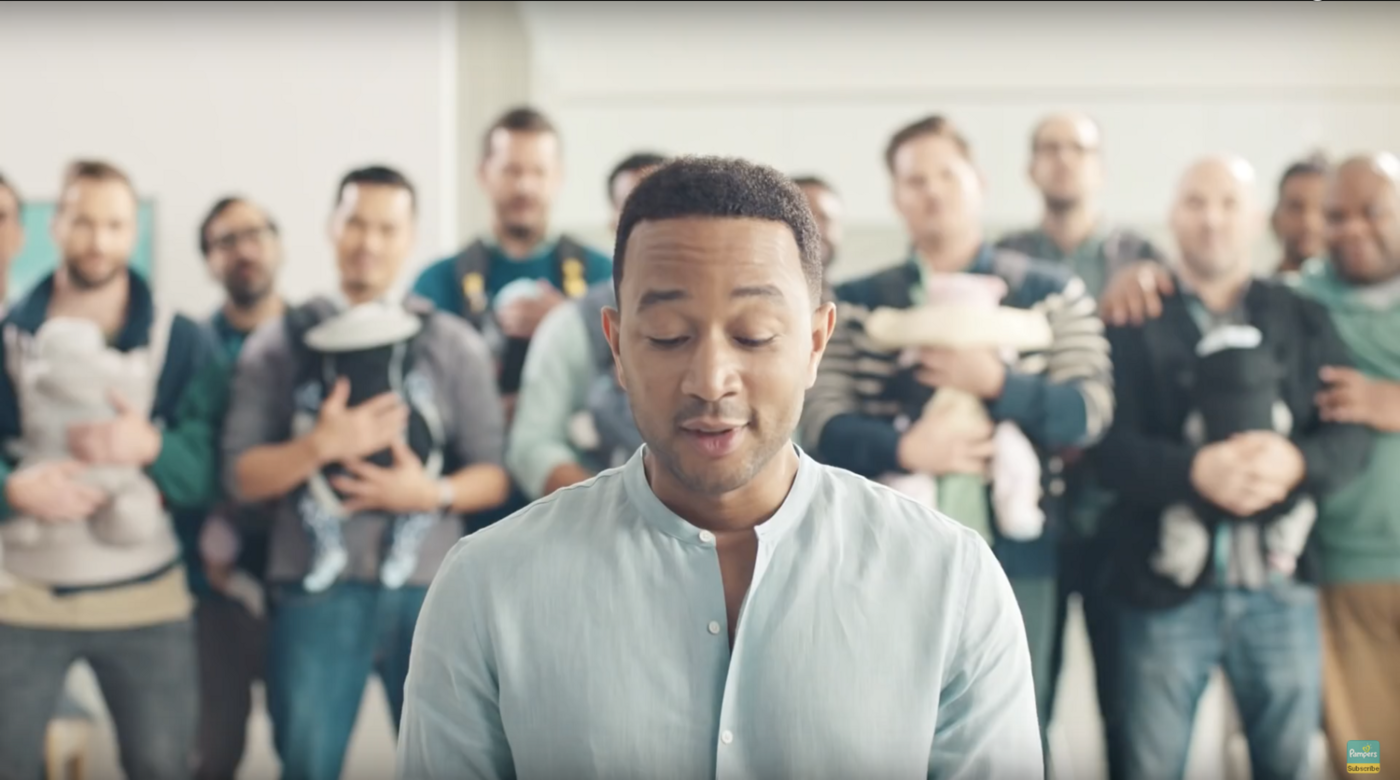 Gender stereotypes are still responsible for unpleasant situations, especially in parenting dynamics where fathers are often exempt from baby care. Pampers contributes to the cause with a hilarious commercial that aired during the 2019 Super Bowl commercial. Stinky booty duty is a jingle sung by dads struggling with diaper changes. This is a progressive stance in which Pampers remembers that fathers are not babysitters, but full-time parents like mothers.
From product communication to web accessibility
At a time when inclusive marketing is an almost unexplored concept, especially in Italy, adopting it for your business as a mirror of your values allows you to draw attention to issues that are truly felt by the community, bringing them back to public attention.
Millennials and Gen Z , according to a 2020 Microsoft study , are the generations most involved in diversity and inclusiveness. In Italy, according to Istat , there are about 16 million people , of which 9 only from Gen Z, a generation that now has its own purchasing power and is used to shopping mainly on e-commerce. Their presence on the web has contributed to progressive changes in terms of product communication and the structure of online shops. So the sites are updating too? The answer of course is yes.
Among the applications of inclusive marketing, we find inclusive design . These are ways of designing services and interfaces that adapt to the most diverse needs of the public who could benefit from them. The communication of an e-commerce , for example, becomes more inclusive by finding alternative ways to offer customers articles that could also discriminate categories interested in purchasing. If we talk about clothes, we must pay attention to the tag system with which the sizes and wearability of the garment are indicated, enhancing each body type. The taxonomy of the page and its contents is therefore designed to transform navigation into a pleasant experience and effective for conversion purposes. The most recent sites are designed also taking into account the needs of visually impaired people or more generally the conditions that could be disabling while browsing. The page is made accessible thanks to a customizable interface : we are talking about web accessibility .
“Inclusion is not a matter of political correctness”
Being inclusive has nothing to do with being politically correct, it means being genuinely interested in the needs of others, giving them space and voice through the brand. Representation and inclusiveness are very serious issues and it is essential not to forget this when companies publicly use their image: continuing to address generic and stereotyped audiences, far from the real world has always been – and still remains today – a missed opportunity.


